
When to See the Northern Lights: Fall or Winter?


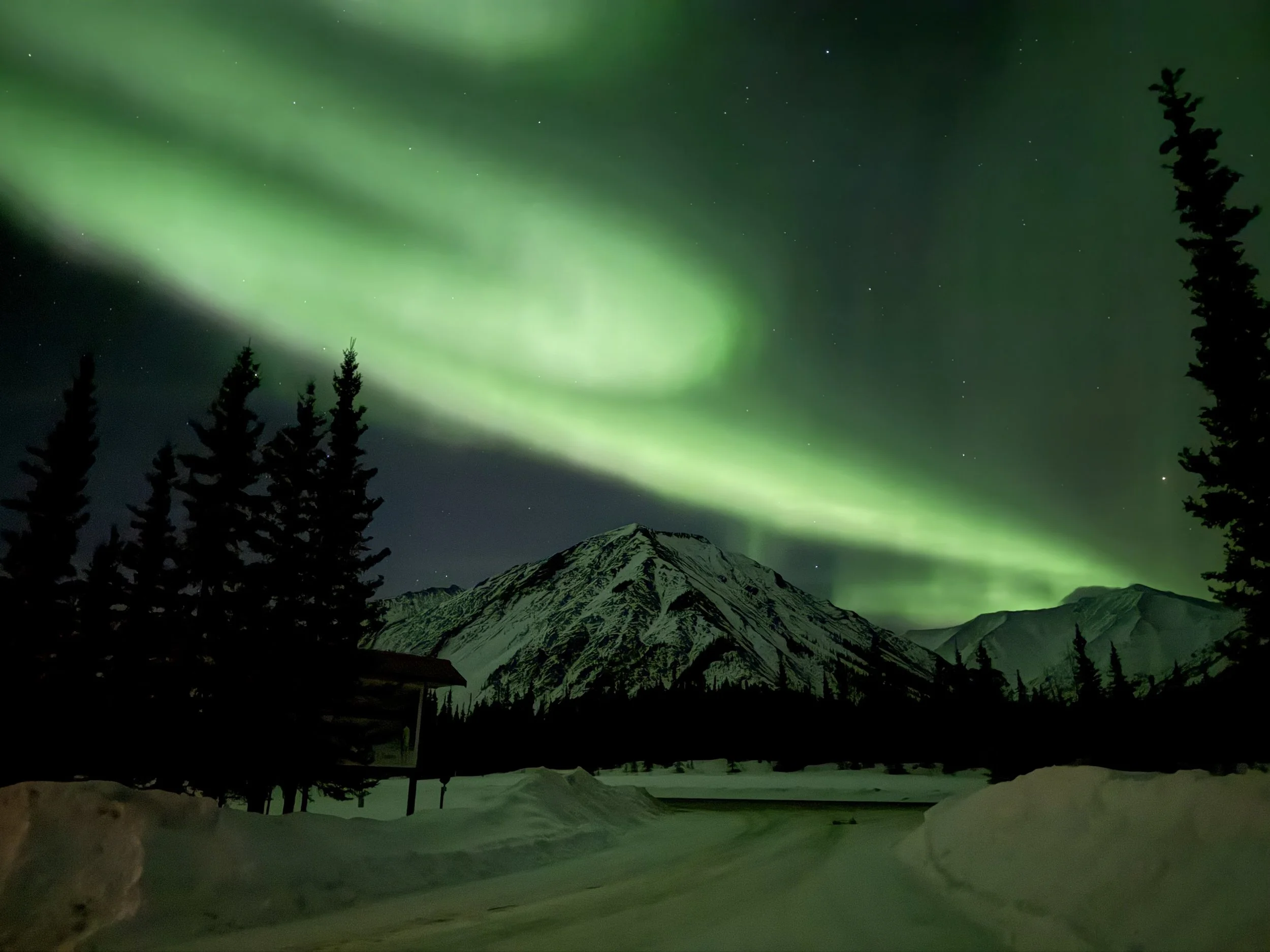


Experience the Northern Lights over the Canadian Rockies in two spectacular seasons. From colourful autumn landscapes and mild temperatures to snow-covered mountains and long winter nights, both fall and winter offer unforgettable Aurora viewing opportunities in Northern British Columbia.
Discover which season is right for you, with exclusive guided adventures that change with the seasons. No matter when you visit, enjoy the same exceptional Northern Lights viewing, Liard River Hot Springs and premium lodge hospitality, including our Aurora Dome, wellness facilities and nightly chef-curated tasting menus.
Exceptional Seasonal Guided Experiences
Guided adventures change with the season in rythm with nature, from hiking, canoeing and scenic floatplane tours amid colourful fall landscapes to snowshoeing, cross-country skiing and snowmobiling through the winter wonderland. In every season, discover Northern Rockies wildlife, soak in Liard River Hot Springs, and enjoy personalized guiding, premium lodge hospitality and exceptional Northern Lights viewing from our Property & Aurora Dome.
Fall Aurora, September–October
Mild weather, colourful landscapes and outdoor adventures
Temperatures: Approx. 0°C to 8°C average
Nighttime: 11–14 hours*
Estimated viewing chance: 70%*
Enjoy brilliant fall colours, guided hiking, canoeing, mountain biking and scenic floatplane adventures.
Winter Aurora, December–March
Snow-covered Rockies, long nights and winter adventures
Temperatures: Approx. −14°C to −7°C average
Nighttime: 12–18 hours*
Estimated viewing chance: 90%*
Discover a winter wonderland with guided snowshoeing, cross-country skiing, snowmobiling and wildlife viewing.