
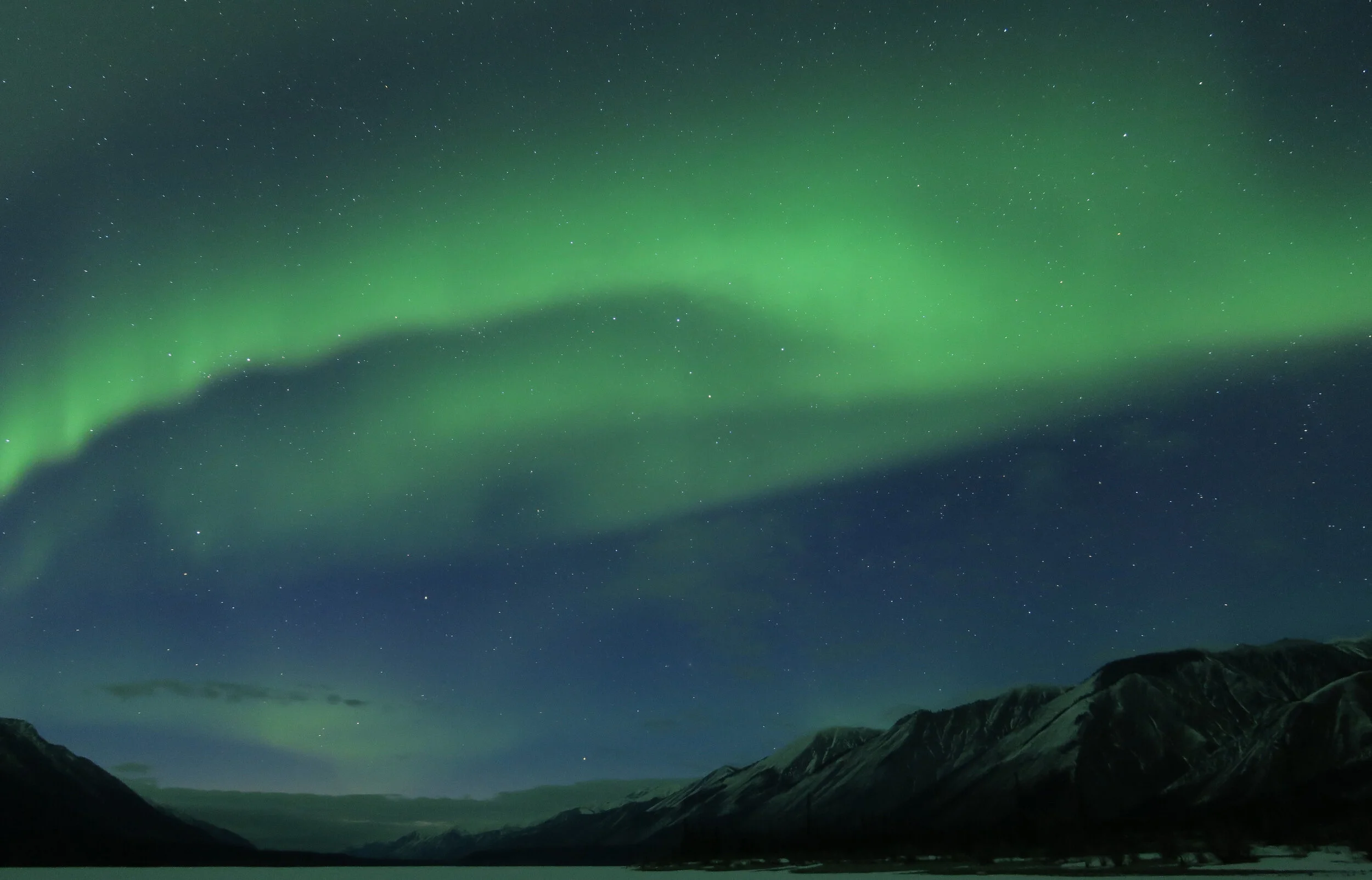
Northern Lights in the Canadian Rockies: From Banff to Muncho Lake


The Canadian Rockies are famous for towering mountains, pristine lakes and spectacular wilderness. But did you know that you can also experience the Northern Lights in the Canadian Rockies? From occasional sightings in Banff to frequent aurora displays at Muncho Lake in British Columbia's Northern Rockies, travelling farther north can transform your chances of witnessing this natural spectacle.
To see the Northern lights in the Rockies and make travel easy we offer all-inclusive Northern Lights vacations from Vancouver.
Can You See the Northern Lights in Banff?
Yes, occasionally! The Northern Lights in Banff can create spectacular displays against the Rocky Mountains. However, at approximately 51° north latitude, Banff lies well south of the Auroral Oval, leading to infrequent Aurora displays
Seeing the Aurora Borealis in Banff typically requires stronger geomagnetic activity, making sightings relatively rare and difficult to plan around. For most visitors, the Northern Lights in Banff are rare unexpected bonus rather than a reliable sighting. Travel farther north into the Canadian Rockies, and the story changes dramatically.
Northern Lights: Why Location Matters

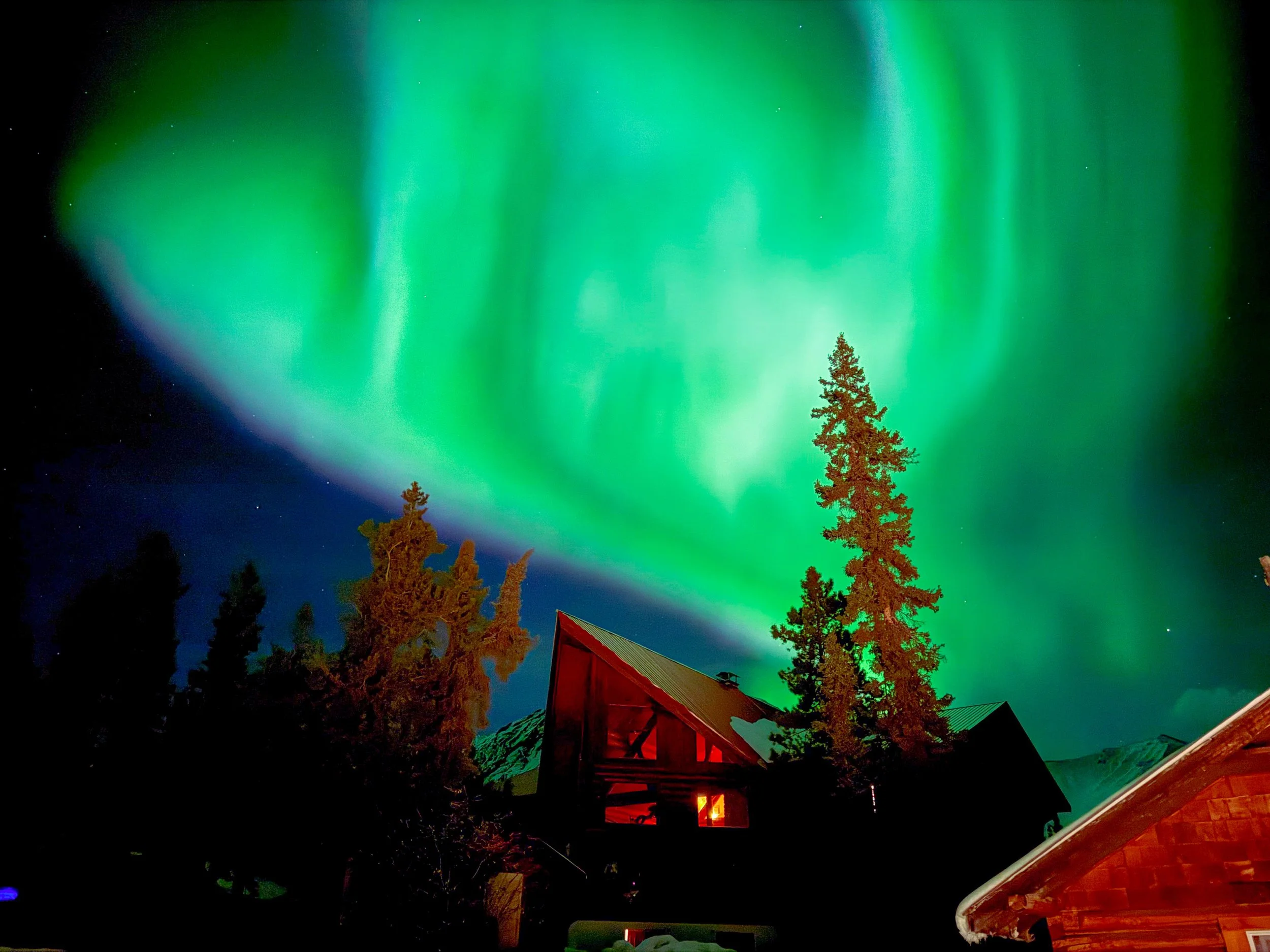
Nearly eight degrees of latitude north of Banff, Muncho Lake sits at 59° north, in the Auroral Oval. Here, the Northern Lights frequently appear even during relatively quiet geomagnetic Kp2 conditions that would leave the skies over Banff dark.
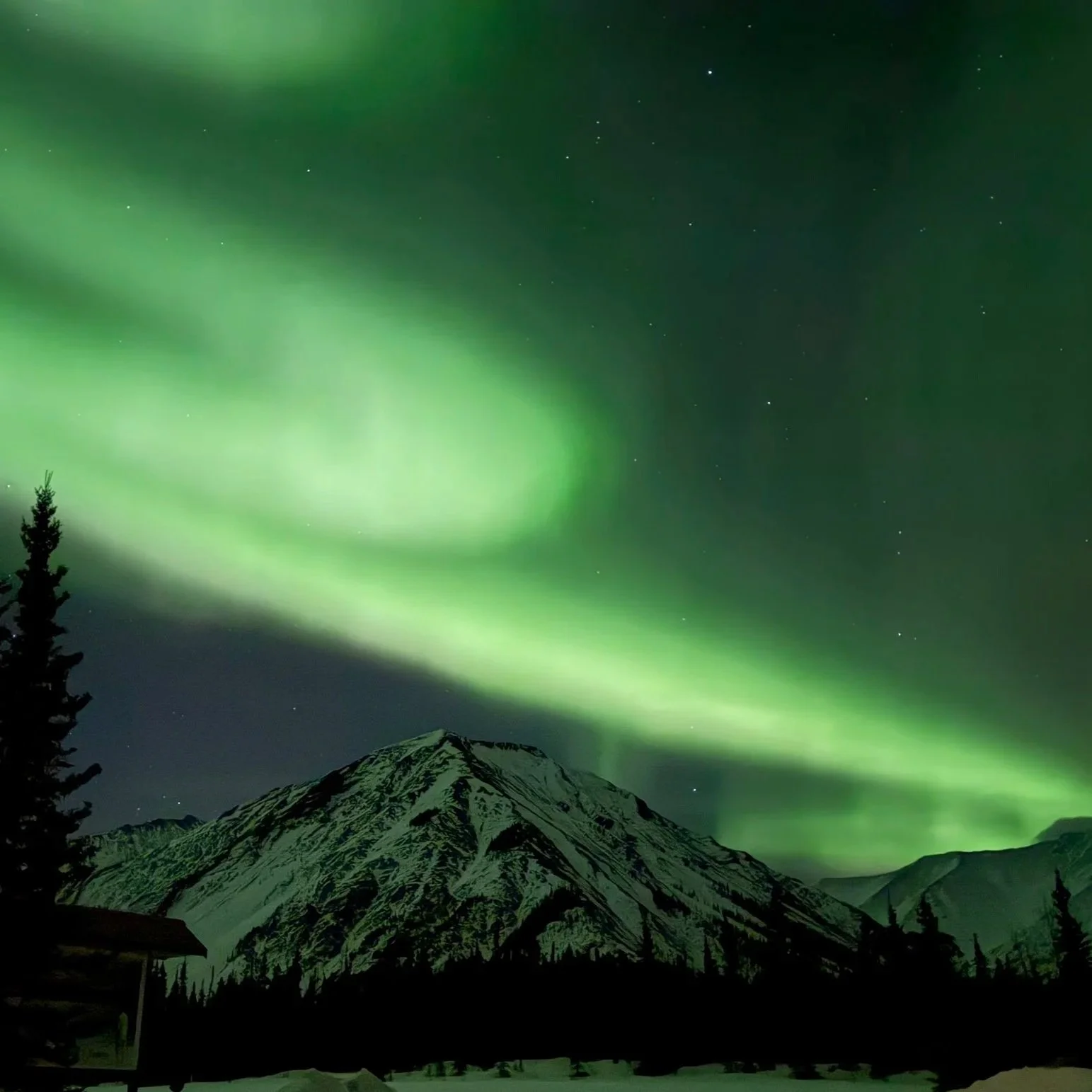
While Banff visitors might be fortunate to catch an occasional display, Northern Lights viewing is a defining experience of winter at Muncho Lake. Its remote location, minimal light pollution, spectacular mountain backdrop and cozy lodge create an exceptional setting for watching the aurora.
Of course, clear skies and favourable conditions are still essential, and no destination can guarantee a display. But for travellers visiting Canada specifically to see the Northern Lights, Muncho Lake offers a significant geographic advantage over Banff.
Northern Lights: Some Fascinating Facts
-
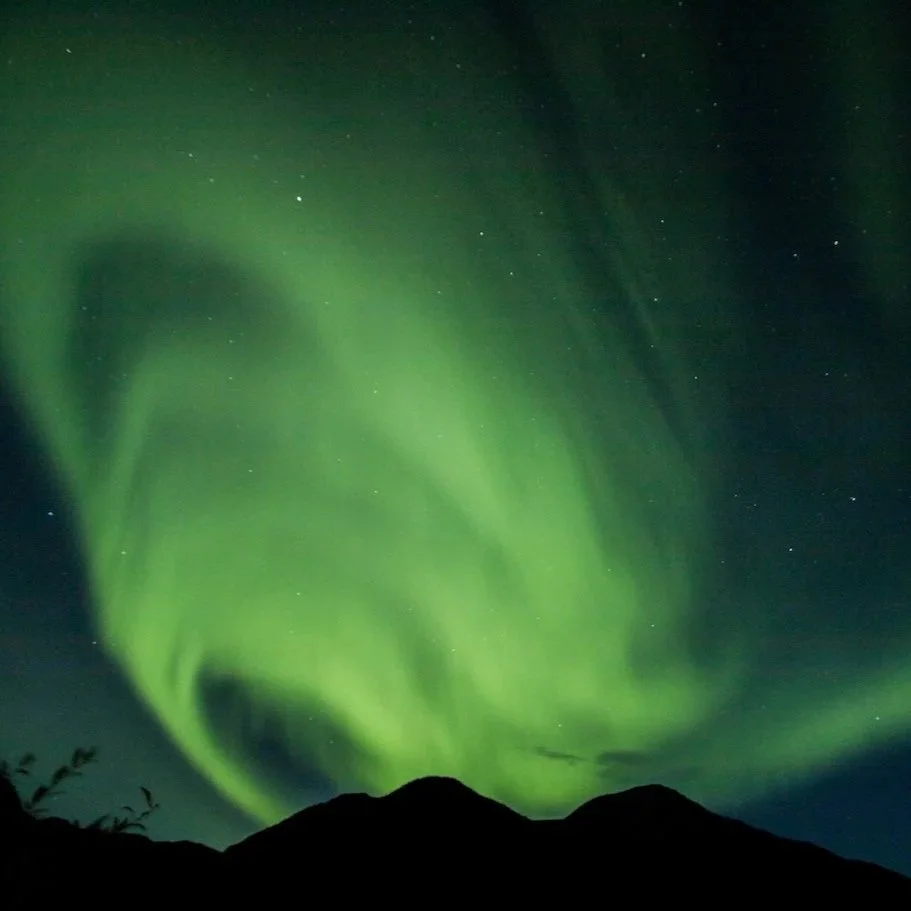
The Aurora Borealis (Northern lights) occur when energetic particles interact with gases in Earth's upper atmosphere, creating luminous curtains of dancing light, often more than 100 kilometres above the ground.
-
Green is the most common colour, produced by excited oxygen atoms. Red auroras also come from oxygen, typically at higher altitudes, while blue and purple hues are associated with nitrogen. And yes you can see the Northern lights with your naked eye!
-
Aurora activity occurs year-round, but the long, dark nights of winter provide excellent viewing opportunities. The best displays depend on solar activity, clear skies and your location relative to the Auroral Oval.
-
A ring-shaped region surrounding Earth's magnetic poles where auroras occur most frequently. strong geomagnetic storms swell this ring, extending the Aurora Oval south. Destinations at 59* North, such as Muncho Lake, can experience Northern Lights even when geomagnetic activity is relatively low.
What Makes Northern Lights Viewing at Muncho Lake Special?
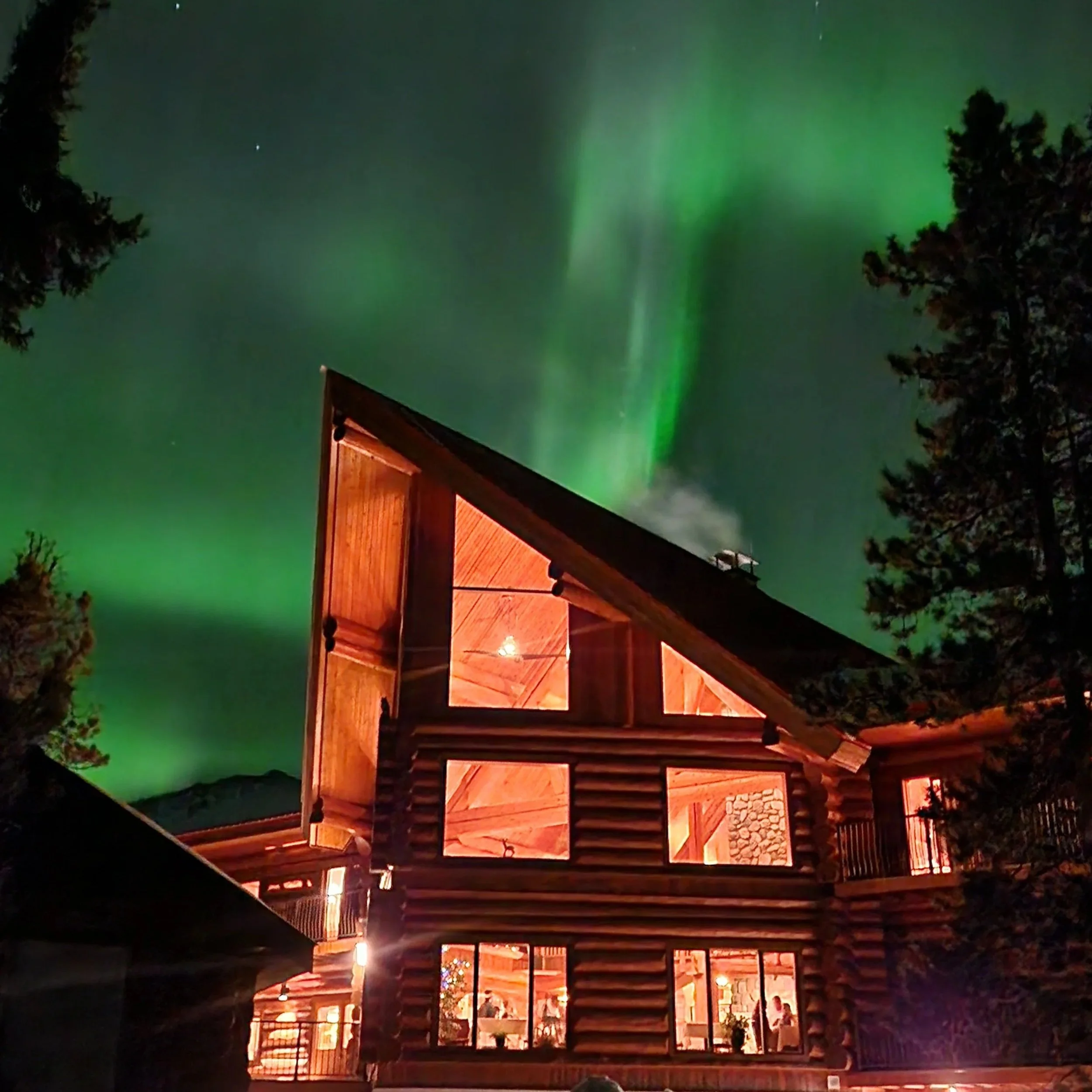
At Muncho lake, the aurora experience begins right outside your door. Unlike destinations that require nightly excursions to distant viewing locations, guests can watch the Northern Lights directly from our lakeside property.
Our heated Aurora Dome, dedicated Aurora wake-up service and comfortable lodge facilities make it easy to enjoy the spectacle without sacrificing comfort.
Northern Lights in Canada's Rockies & so Much more
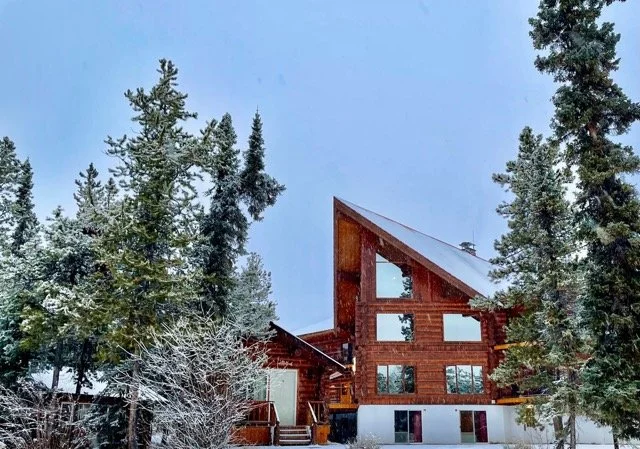
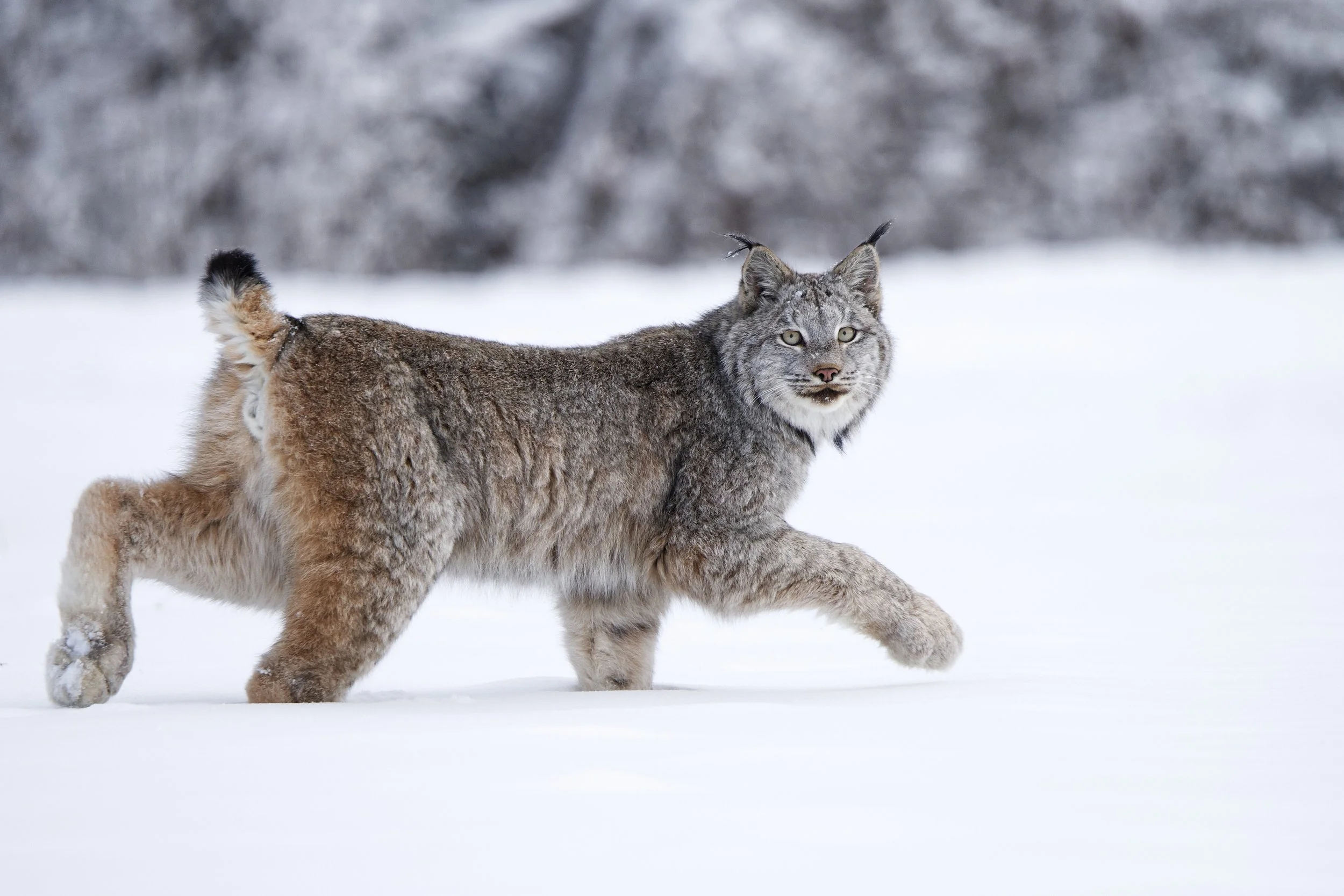
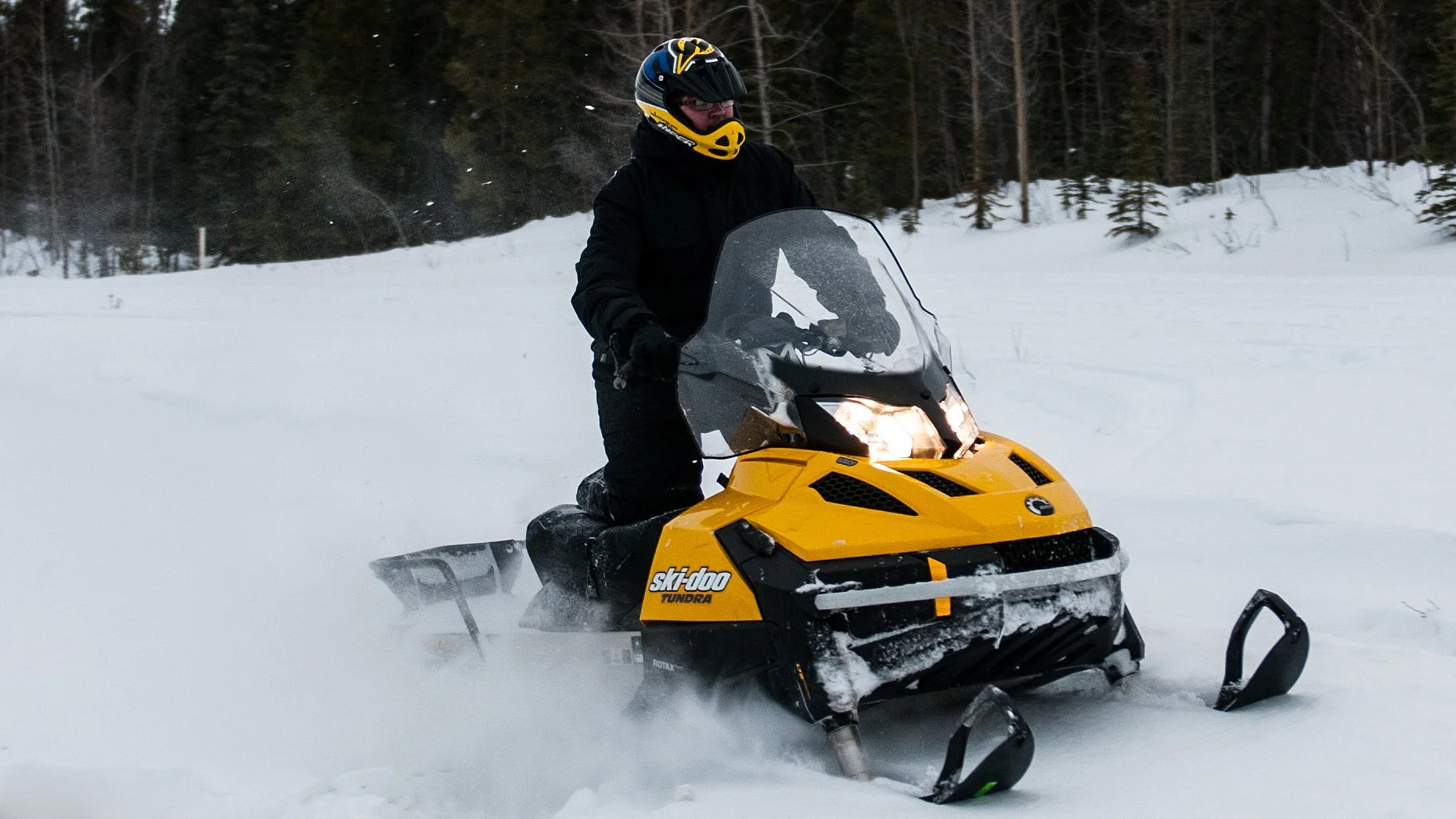
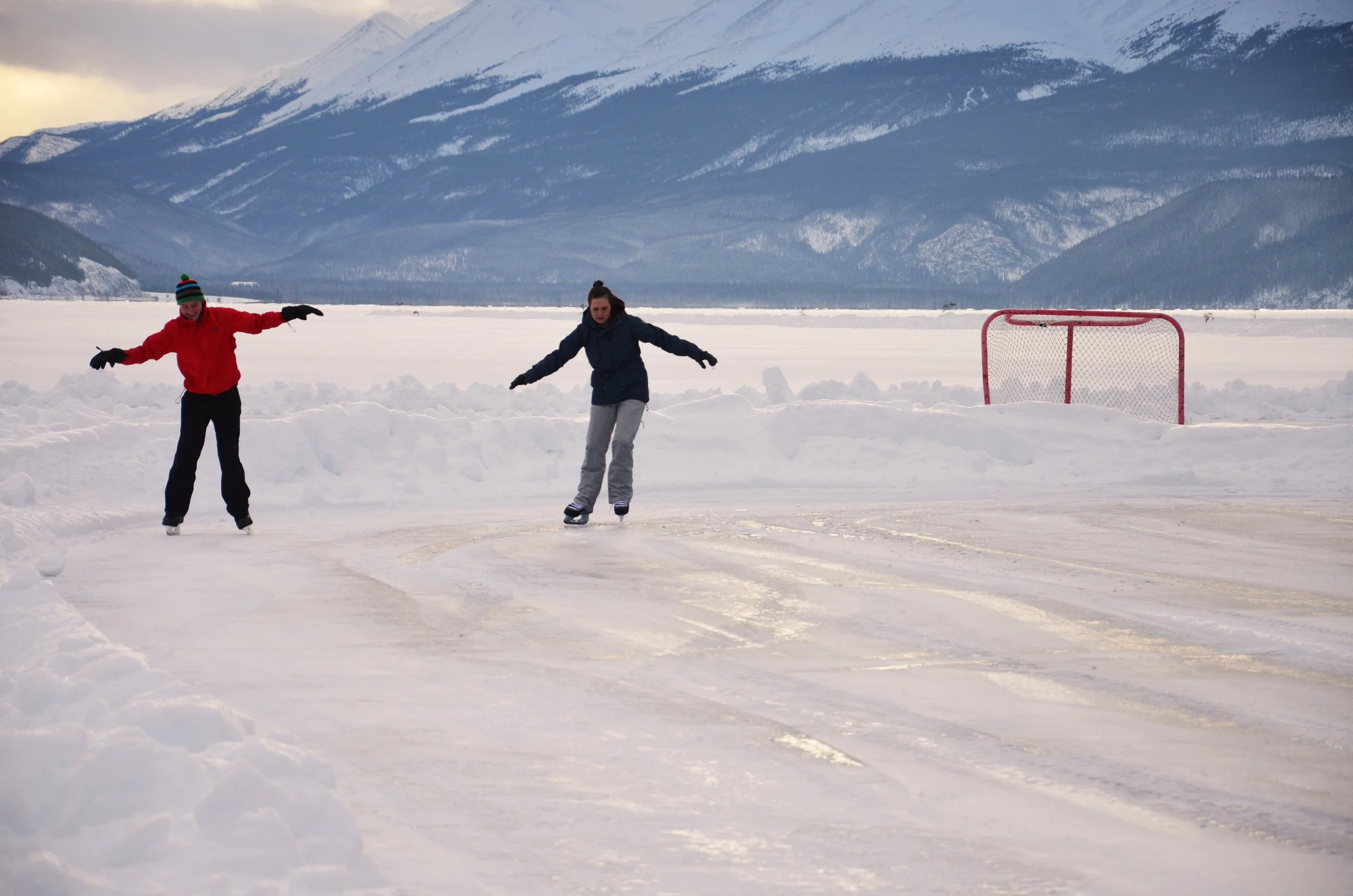
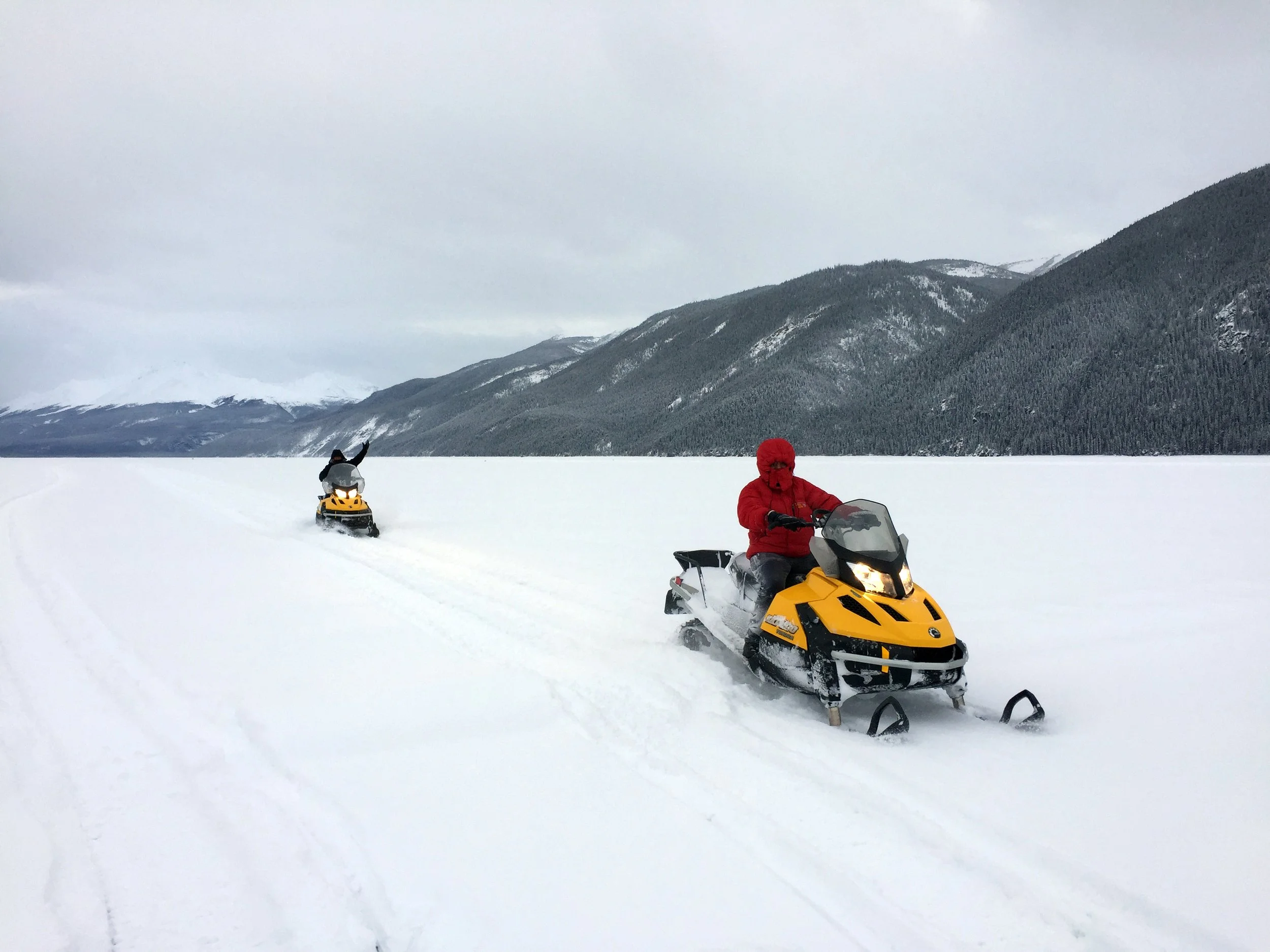
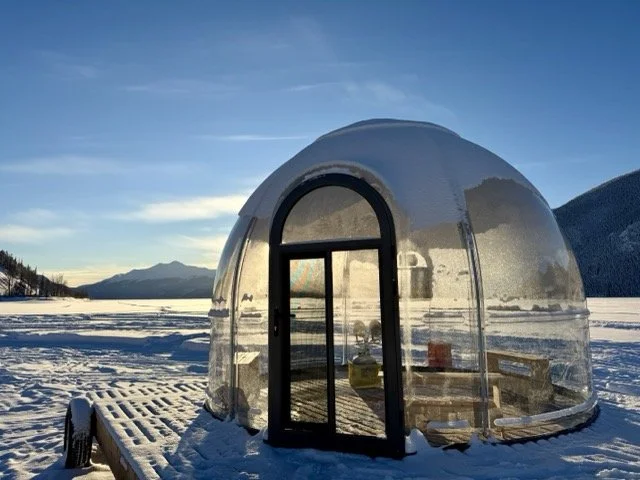
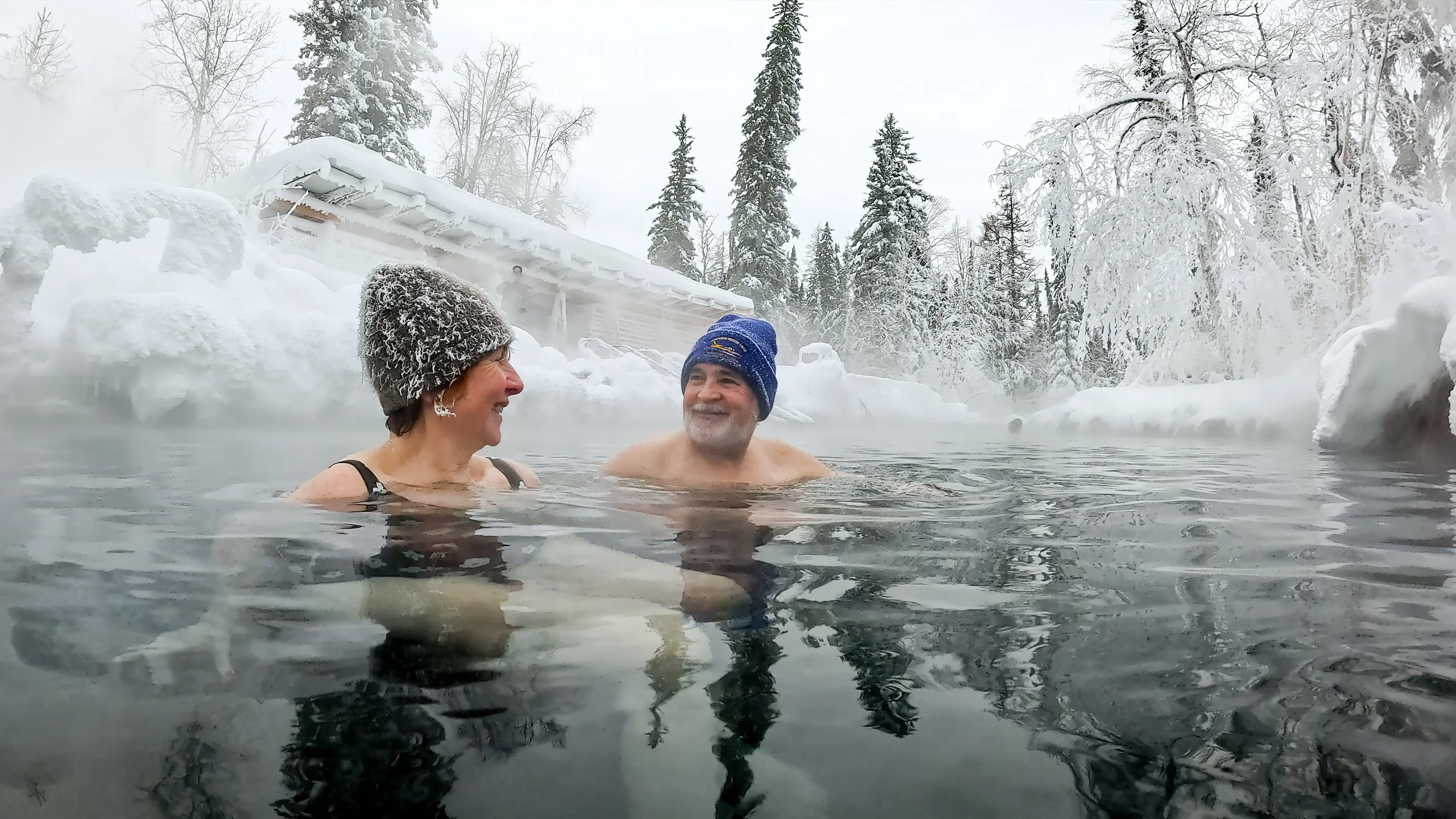
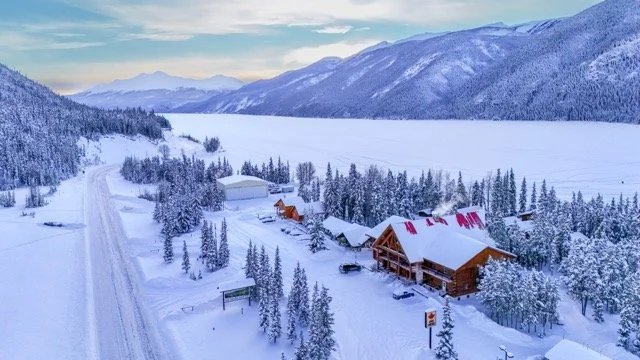
Our all-inclusive Northern Lights vacation packages combine round-trip flights from Vancouver, premium lodge accommodation, chef-prepared dining, guided winter adventures and unforgettable aurora viewing at Muncho Lake.
And the adventure doesn't end at sunrise. Spend your days exploring snow-covered mountain landscapes, soaking in the natural Liard River Hot Springs, enjoying guided winter excursions and relaxing with exceptional dining and warm Canadian hospitality. Discover our winter activities and experiences.
Banff may be famous for its mountains, but the Northern Rockies offer something extraordinary: the beauty of the Canadian Rockies with the added advantage of frequent Northern Lights activity.